

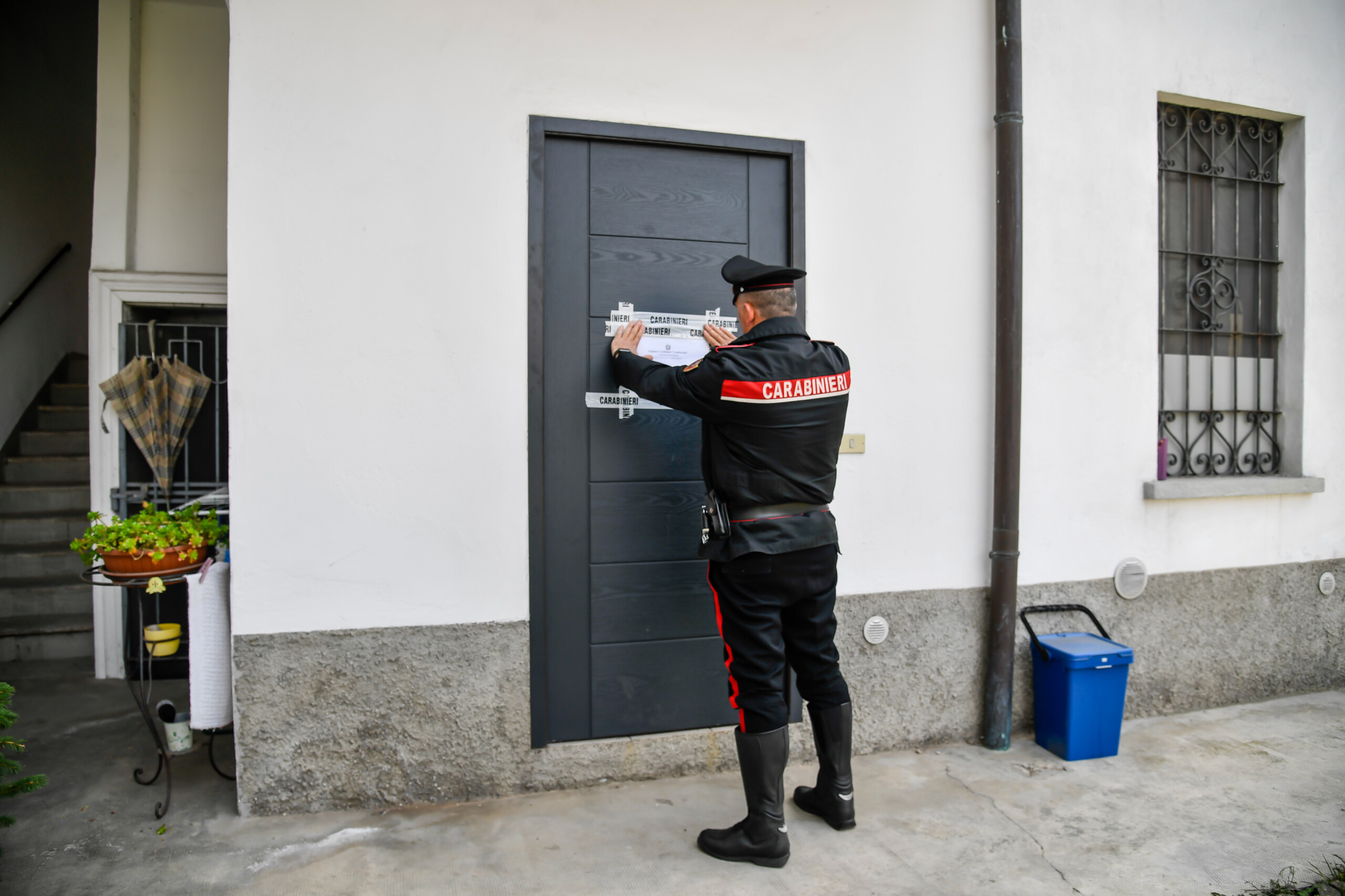
Milan, 17 February (LaPresse) – The Court of Cassation has overturned Davide Fontana's life sentence for the second time. the 46-year-old banker and food blogger who, on 11 January 2022, killed 26-year-old Carol Maltesi in Rescaldina with 13 hammer blows and a knife wound while she was tied up, gagged with tape and hooded, and the two were filming a hardcore video that he himself had commissioned through a fake social media profile to sell on OnlyFans. On 10 February, the Supreme Court judges upheld the appeal by lawyer Stefano Paloschi for the second time and overturned the ruling of the Milan Court of Appeal, in particular with regard to the aggravating circumstance of premeditation of the murder. The ruling is awaiting justification within 30 days (but this is not a peremptory term) before a new third appeal trial is set to be held before the first section of the Milan Court of Appeal, but with a new panel of judges and jurors. The day after murdering Carol Maltesi, Fontana bought a hatchet and a hacksaw and cut the woman's body into 23 pieces. He tried to remove the pieces of skin with tattoos that would later be used to identify the girl. In the following weeks, he attempted to burn the dismembered corpse and, after keeping it frozen in a freezer purchased online inside five black bags, threw it into a ravine in Paline di Borno, in the Brescia area. The 26-year-old's body was found on 29 March 2022. In the first instance, on 12 June 2023, the Court of Assizes of Busto Arsizio sentenced Fontana to 30 years for murder, suppression and concealment of a corpse, but excluded the most serious aggravating circumstances and spared him a life sentence, considering that there was no evidence of “significant organisation of the murder”, starting with the fact that he did not establish an “alibi” and that he had engaged in “gruesome conduct” but was confused for “about two months in order to get rid of the body definitively”, in contrast to a premeditated plan. This sentence was overturned by the judges of the second instance, who recognised premeditation in both the first and second appeals, leading to two annulments and referrals to the Court of Cassation.
© Copyright LaPresse
